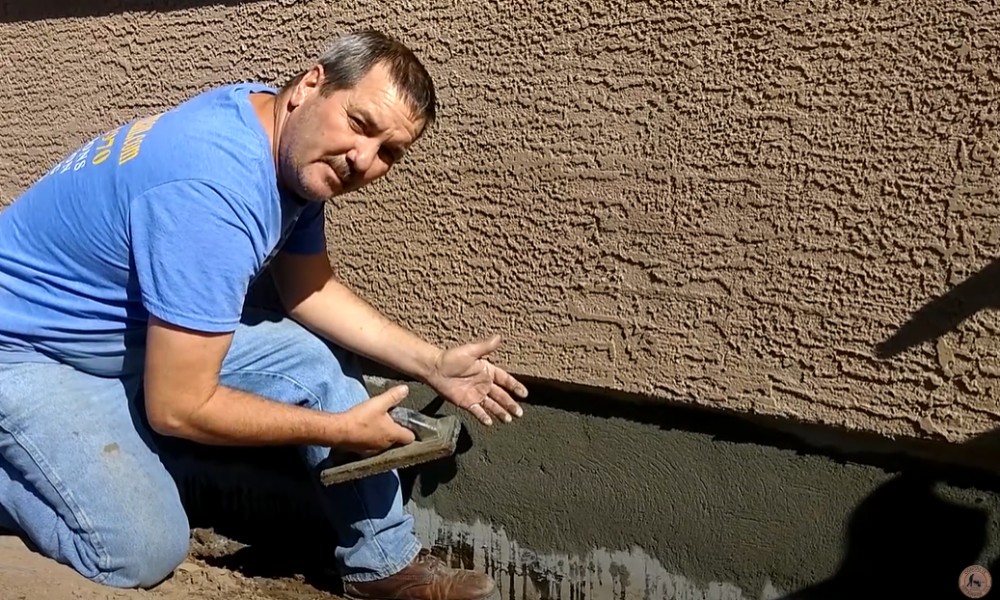
Renovations usually start with excitement. New flooring ideas. Updated kitchens. Fresh paint. Bigger spaces. What most homeowners do not think about right away is what sits underneath all of it. A house can look fine on the surface while quietly shifting below. That is why House Repiling Auckland often becomes part of the conversation when renovation plans begin to get serious.
Many people only discover foundation issues after spending money on upgrades. Floors crack again. Tiles lift. Doors stop lining up. At that point, frustration sets in because the work just done now feels wasted. Starting with the structure avoids that cycle completely.
Renovations that reveal hidden foundation issues
Once renovation begins, small problems have a habit of showing themselves. What used to be easy to overlook can quickly feel bigger when change is already underway. Removing old flooring makes uneven levels obvious. Opening walls shows cracks that were hidden by paint. New joinery highlights movement that old fittings disguised.
These moments surprise homeowners, but they are not random. Renovations change weight distribution. New materials settle differently. Once that happens, weak foundations can no longer hide. What felt like a cosmetic project suddenly turns into a structural question.
How uneven floors affect new interiors
Uneven floors cause more trouble than people expect. New flooring materials rely on level surfaces to sit correctly. Timber gaps open. Tiles crack. Vinyl separates at seams.
Cabinetry and wardrobes also depend on stability. When floors slope or shift, doors stop closing properly. Drawers drift open. These issues do not mean the renovation was done poorly. They usually mean the structure underneath is still moving.
Planning structural work before cosmetic upgrades
Addressing foundation issues first gives every renovation a better chance to last. Once a house is level and stable, new finishes settle properly. Materials behave the way they are meant to.
Planning structural work early also gives homeowners control over timelines. Foundation repairs can be scheduled before trades arrive. That avoids rushed decisions and prevents delays halfway through a renovation when problems suddenly appear.
The impact of weak piles on extensions
Extensions add weight. Sometimes a lot of it. Older foundations that already struggle to carry existing loads often cannot handle new rooms without additional support.
If piles are weak or uneven, extensions can worsen movement across the whole house. Floors dip where old and new sections meet. Cracks form along connection points. Repiling ensures the original structure is strong enough to support what comes next.
Timing foundation repairs with renovation goals
Some homeowners worry that foundation work will delay renovations. In reality, it often saves time. Once structural stability is confirmed, builders and designers can plan accurately.
Knowing the house is level helps with layout decisions. Measurements stay consistent. Materials fit as expected. The renovation process becomes smoother because the structure underneath is no longer unpredictable.
Long term savings from early structural fixes
Foundation repairs may feel like an added cost at first, but they often prevent repeated spending later. Fixing cracks multiple times. Replacing flooring again. Adjusting doors and cabinetry. These costs add up quietly.
There is also peace of mind in knowing that money spent on upgrades is protected. Walls stay straight. Floors stay flat. Finishes age the way they should instead of fighting movement beneath them.
Before committing to major changes, taking a step back to assess the foundation often changes the entire renovation outcome. In many cases, House Repiling Auckland becomes the foundation, literally, for upgrades that last instead of disappoint.
A renovation built on a stable structure feels different. It settles once and stays settled. And that quiet reliability is what turns a renovation from a short term improvement into a long term upgrade.