

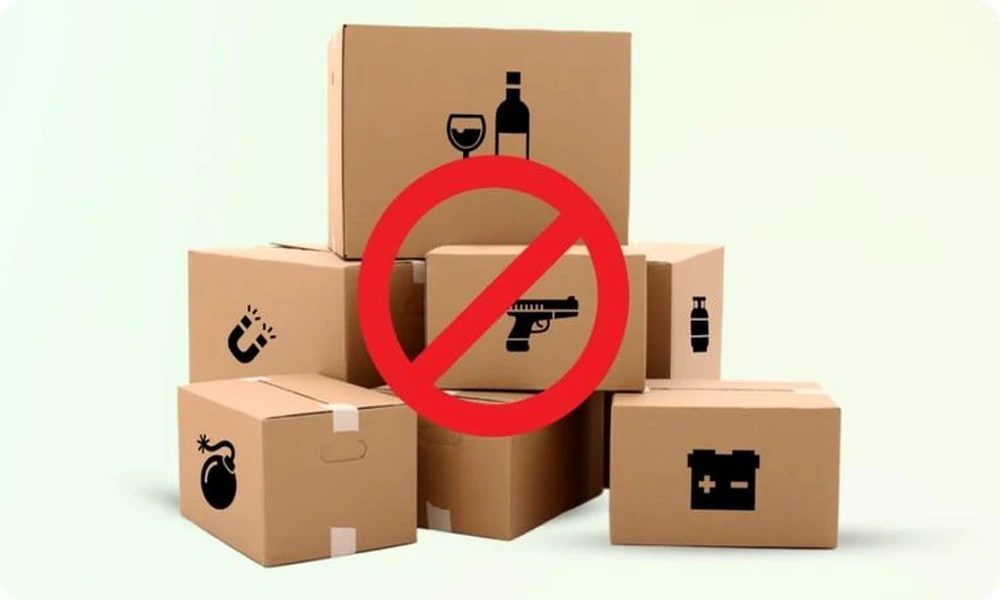
Most seized parcels were never meant to cause trouble. Senders pack familiar household products without checking their classification. A spare drill battery can halt a shipment for weeks. Its lithium cells qualify as dangerous goods on aircraft. Few such hazards are obvious from a store shelf. Knowing 禁 運 品 before packing turns a gamble into routine. Carriers, border officers, and destination laws apply separate filters. Every parcel must clear all three to arrive intact. Hidden hazards, local bans, and paperwork errors decide the outcome. Penalties can follow even honest mistakes.
Customs Seizures Follow Predictable Inspection Patterns
Customs screening is far from random. Officers rely on risk profiling, X-ray scans, and declared descriptions. A label reading only “gift” draws suspicious attention fast. On a scan, dense batteries or liquids prompt manual opening. Because these triggers repeat across borders, senders can anticipate them. Preparation then becomes a matter of reading patterns correctly.
Which Everyday Goods Trigger Carrier Rejections?
Carriers restrict goods that endanger aircraft, handlers, or neighboring parcels. Temperature and altitude swings in cargo holds destabilize ordinary products. Much of that risk hides in bathroom cabinets.
- Perfumes contain alcohol, a flammable liquid.
- Aerosol cans can burst under pressure changes.
- Loose lithium batteries may overheat mid-flight.
- Nail polish remover carries volatile acetone.
- Paint thinners release fumes that ignite easily.
- Matches and lighters ignite through simple friction.
Destination Rules Override the Sender’s Assumptions
A product legal at home can be banned on arrival. Each nation keeps a clear, published 禁 運 品 list. Health, farming, and security concerns shape those rules. Fresh fruit may carry pests that threaten local crops. Certain medicines need an attached prescription copy to pass. Checking the destination’s postal guidance takes only minutes.
Why Do Vague Declarations Invite Scrutiny?
Declaration forms tell officers what a box holds. Labeling a charger as “clothing” creates an instant mismatch. Such gaps suggest smuggling, even when the error was innocent. Strong declarations share a few traits:
- Descriptions name the material, purpose, and brand clearly.
- Declared values match receipts rather than rough guesswork.
- Tariff codes reflect the exact product category involved.
- Battery-powered gadgets list the cell type and watt-hours.
- Gift labels apply only to genuine, unpaid presents.
What Happens After a Parcel Gets Flagged?
Once flagged, a shipment leaves the fast lane for manual review. Its fate depends on the item and attached paperwork. Timelines can stretch from days to weeks. The process unfolds in distinct stages:
- Officers hold the parcel temporarily.
- Authorities request missing documents.
- Clean parcels continue toward delivery.
- Banned goods face destruction.
- Returns trigger fresh shipping fees.
- Serious violations bring penalties.
A Perfume Bottle Can Stall Everything
A single perfume bottle tucked among gifts changes the parcel’s status. Carriers classify the whole box by its riskiest content. One flammable bottle can return sweaters, books, and chocolates together. The sender ends up paying postage twice for nothing delivered. Sentimental items may never come back at all. Seizure risk, then, rarely scales with parcel size. It hinges on the smallest overlooked item. Auditing each object, not the box, removes that weak link.
FAQs
Can banned goods ship with special permits?
Restricted goods can move legally with licenses, health certificates, or dangerous-goods contracts. Fully banned goods stay blocked regardless of paperwork, so confirming the category early prevents wasted fees.
Does an honest declaration prevent a seizure?
Accuracy shortens delays but cannot legalize a forbidden product. It does shield the sender from misdescription fines, and clear records speed up any appeal.
Do all couriers follow identical shipping rules?
Each carrier layers its own policies over national law. One service may refuse perfume while another accepts small quantities, and express options sometimes impose stricter battery limits.
Can a seized package be recovered?
Recovery depends on the violation and the destination authority. Restricted goods may return after paperwork clears, while banned items face destruction with no postage refunded.
