Holding something millions of years old in your hand produces a sensation that photographs and museum displays simply cannot replicate. Fossils connect us directly to prehistoric life, offering tangible evidence of creatures that swam ancient oceans, roamed primordial forests, wandered prehistoric plains and soared through skies we can only imagine. Starting a collection requires no advanced scientific training or unlimited budget. What it does demand is curiosity, patience and a willingness to learn what distinguishes genuine specimens from imitations.
Understanding the fundamentals helps new collectors build meaningful collections they will treasure for years.
Learning to Recognize Authentic Specimens
Real fossils carry characteristics that distinguish them from replicas and artificial reproductions. Genuine specimens typically display natural imperfections including tiny fractures, mineral deposits, texture variations and color inconsistencies that result from spending millennia underground. These subtle irregularities tell stories that perfectly smooth or symmetrical pieces cannot.
Replicas often appear too uniform or lack the weight that mineralization provides. Authentic fossils feel denser than modern bone or shell because minerals have replaced original organic material over geological time spans.
New collectors benefit from examining verified specimens whenever possible. Museums, fossil shows and educational institutions provide opportunities to handle genuine articles and develop the eye that experience builds.
Starting with Affordable Specimens
Many newcomers assume fossil collecting requires substantial wealth. This misconception keeps people from exploring a hobby that actually welcomes participants at virtually any budget level. Stunning specimens exist at price points that surprise those expecting prohibitive costs.
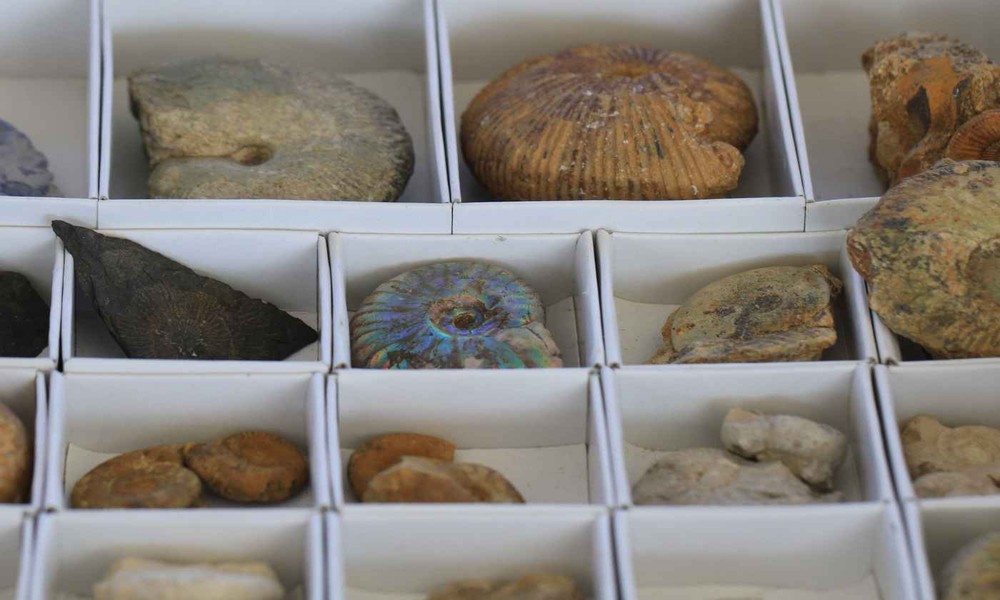
Fish fossils, small ammonites, trilobites and shark teeth offer entry points that allow beginners to own authentic pieces without significant investment. These specimens are millions of years old yet remain accessible to collectors just starting out.
Beginning modestly allows new collectors to learn what they enjoy before committing larger sums. Some discover passion for marine life while others gravitate toward plant fossils or prehistoric mammals. Starting small provides room to explore preferences.
Finding Trustworthy Sources
Where you purchase matters enormously in fossil collecting. The market includes both reputable dealers and sellers offering misrepresented or fabricated specimens. Learning to identify reliable sources protects both your investment and your collecting experience.
Choosing companies like Buried Treasure Fossils ensures access to authenticated specimens with documented origins and clear descriptions of age, location and species. Their curated selection includes museum quality pieces alongside affordable options for collectors at every level.
Trustworthy dealers provide detailed information about each fossil’s provenance. They welcome questions and stand behind their offerings with guarantees that demonstrate confidence in authenticity. Vague descriptions or reluctance to discuss specifics should raise concerns.
Understanding What You Are Collecting
Fossils come from dig sites spanning the globe, each location producing distinctive specimens shaped by unique geological conditions. Madagascar yields stunning ammonites. Morocco produces remarkable shark teeth and dinosaur fossils. The Green River Formation in the American West preserves fish in extraordinary detail. Indonesia contributes fossilized coral and marine life.
Learning about these locations deepens appreciation for individual specimens. Knowing that your fish fossil formed during the Eocene epoch in what is now Wyoming adds meaning that uninformed ownership lacks.
Research transforms collecting from simple acquisition into genuine engagement with natural history. Each piece becomes a chapter in Earth’s biography rather than merely an object on a shelf.
Caring for Your Collection
Fossils survived millions of years but still require proper handling. Appropriate storage protects specimens from damage that careless treatment can cause. Avoid direct sunlight that may fade coloration over time. Control humidity to prevent deterioration of certain fossil types.
Display options range from simple stands to elaborate shadow boxes that showcase specimens while protecting them. Labeling each piece with its species, age and origin maintains the information that gives context to your collection.
Handling fossils gently preserves details that rough treatment might damage. Supporting specimens from below rather than gripping edges protects fragile portions that could break under pressure.
Deciding What to Collect
Some collectors pursue variety, acquiring representatives from different eras and categories. Others specialize deeply, focusing exclusively on shark teeth, trilobites, plant fossils or specimens from particular geological periods.
Neither approach is inherently superior. Your collection should reflect your interests rather than following someone else’s vision. The specimens that fascinate you personally will bring more satisfaction than those acquired because others deemed them valuable.
Consider what stories you want your collection to tell. Marine life from ancient seas appeals to some collectors while terrestrial creatures interest others. Your focus may evolve as experience expands your knowledge and shifts your preferences.
Growing Your Knowledge and Collection
The best fossil collectors never stop learning. Reading about paleontology, attending fossil shows, joining collector communities and visiting natural history museums all expand understanding that enriches the hobby.
Each new acquisition teaches something about the world that existed long before humans appeared. The collection grows not just in size but in meaning as knowledge accumulates alongside specimens. What begins as curiosity often develops into genuine passion for understanding life’s remarkable history on this planet.