Using the wrong materials can make 3D printing very costly. However, the cost of a particular spool is not the only aspect. At first glance some filaments seem cheap, but are a source of failed prints, wasted time and re-prints. This cost more in the long term period.
Many manufacturers are searching for 3D printing filament that will provide consistent quality with low cost. This means that the filament is smooth to feed, will adhere to the bed, and will not often clog the nozzle. If a spool is produced with good control, the diameter will remain constant and prints will be more stable.
Affordable filament isn’t simply regarding low costs. It has got to do with how much useable print you can get from each roll. It’s not cost-saving to have a cheaper product that breaks half way through the work. After many users have been frustrated with the prints, they will eventually opt for brands that print consistently.
Finding the right materials that are within your budget
Materials have varying costs. PLA is generally the most economical and suitable for general modelling, show pieces and straightforward parts. PETG is a bit more expensive, but provides some added strength and flexibility. ABS is more difficult to control when printing but has the ability to last longer in difficult settings.
To select affordable filament for 3D printing, it is crucial to consider the properties of the material being used for the specific application rather than always selecting the strongest material. A prototype need not be made of high strength plastic, but a working part may merit taking a bit more of an investment.
Some users also change the colour according to the cost. Simple shades tend to be less expensive than special blends or shiny finishes. That little bit will save money in the long run, particularly for those who print frequently. Using conventional materials can ensure consistent results while not exceeding the budget.
How print settings reduce waste
If the settings of the printer are not aligned to the good filament, it can go down the drain. The cleanliness of the print is affected by the temperature, speed and bed level. Getting setup wrong can result in stringing, bad layers or bad adhesion.
If the filament for 3D printing is accessible and cheap, then fine tuning is even more beneficial. The less prints you lose, the more you will get out of each spool, and that’s why it’s important to minimize the number of failures. Some slower first layers may help adhesion of prints and proper nozzle temperature will help to ensure a smooth flow.
When a lot of users find a great profile for a particular filament, they seem to obtain repeatable outcomes. That cuts down on a lot of the trial and error that most of the time is where the waste occurs. The savings in the number of failed prints may be more than the cost of using a less expensive spool over time.
In the long run, these money-saving storage methods will be beneficial.
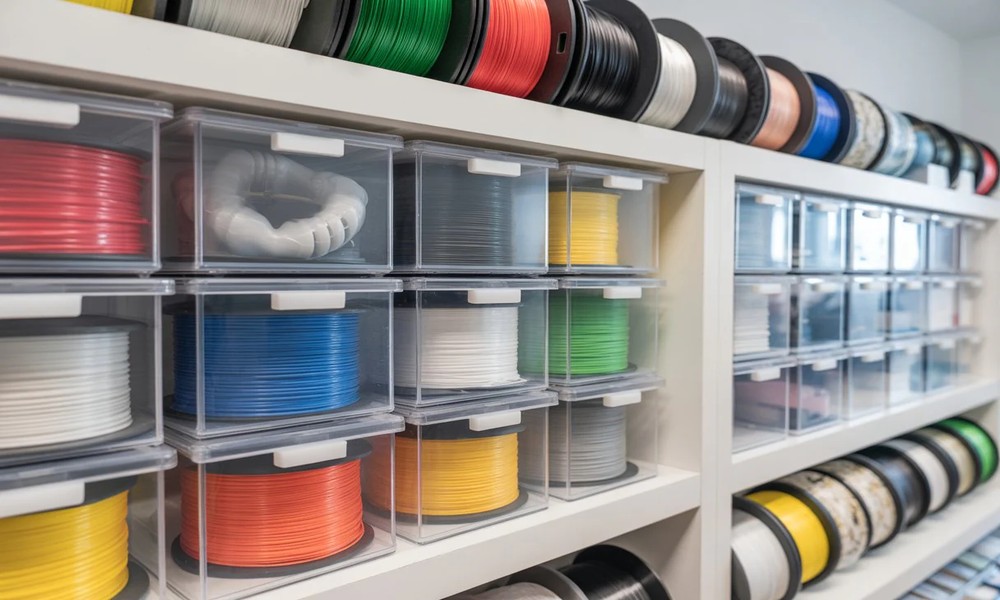
Open filament is not very durable when left exposed to air for prolonged periods. The moisture can enter the spool and impact the way the spool melts. This results in pop noise, rough impressions and poor prints. Any material, even the most affordable, can act up if it is not stored properly.
The life of filament is extended by maintaining it in bags or containers. When using dry storage, there will be less of a problem with prints, too, so there will be less material wasted. It becomes more helpful to those who print with cheap filament, because it helps conserve the worth of each spool.
It also helps to mark spoofer with purchase dates. The filament may also experience a slight change over time, particularly in humid environments, in older filament. This is because this will ensure that the oldest stock is used first, which would make things predictable and prevent any surprise when used during printing jobs.
Continuous effectiveness without excessive costs
The right print outcomes are a result of materials, settings and care. It’s not always the case that the most expensive is the best. When people have consistent printer usage and proper storage, they can have good filament for their 3D printer that is cheap.
Adding up the small changes over time, such as fewer print failures, memory of test settings, and better selection of materials for jobs, can add up to actual savings. As a result, 3D printing becomes much more accessible and usable in daily life, in hobbies, schoolwork or in the small business world.