For manufacturers looking to scale beverage output with precision, can filling systems in Singapore represent a critical investment in production reliability. The city-state’s food and beverage sector has grown steadily over the past decade, and with that growth comes the need for equipment that performs under demanding conditions. Whether the product is a carbonated soft drink, a craft beer, or a health-focused energy blend, the filling stage determines how well the final can reaches the consumer.
Understanding the Core Purpose of Can Filling Technology
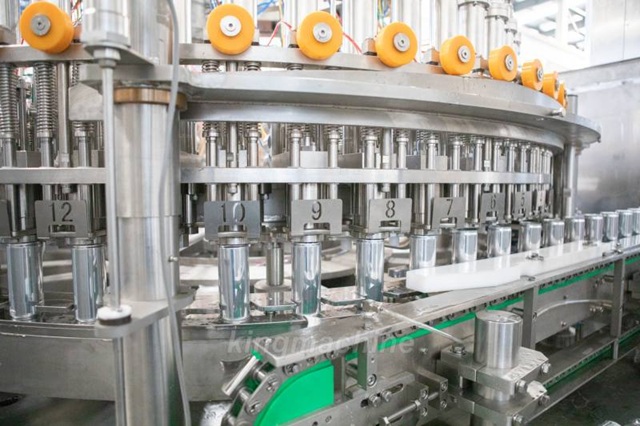
A can filling system does precisely what its name implies – it transfers liquid into cans at controlled volumes, speeds, and pressures. Yet the simplicity of the description masks considerable engineering underneath. Modern automated canning equipment must handle variations in viscosity, carbonation levels, temperature sensitivity, and foaming tendencies. Each of these variables requires calibrated responses from the machinery.
In Singapore’s humid tropical climate, equipment must also contend with condensation and ambient heat. Filling lines built for temperate environments often struggle here. Machines designed with tropical conditions in mind use corrosion-resistant materials, sealed electrical housings, and climate-adaptive sensors to maintain consistent output.
Key Features of Modern Systems
The features that distinguish a capable filling line from a mediocre one are often invisible to the casual observer. Consider these essential characteristics:
- Volumetric accuracy – Premium systems deliver fill volumes within plus or minus 0.5 per cent of the target, reducing product waste and ensuring regulatory compliance.
- Speed flexibility – A well-designed production line filler can adjust from 30 cans per minute on a small batch to over 600 cans per minute on a high-volume run.
- CIP integration – Clean-in-place systems allow operators to sanitise internal pathways without disassembling the machine, cutting downtime significantly.
- Multi-format capability – The best beverage filling machinery accommodates different can sizes – from sleek 250ml slim cans to standard 330ml and larger 500ml formats – with minimal changeover time.
- Touch-screen controls – Intuitive interfaces let operators store recipes, monitor fill levels in real time, and troubleshoot from a single panel.
“We upgraded our line two years ago and saw reject rates drop by nearly 40 per cent,” said Mr Tan Wei Liang, a production manager at a mid-sized beverage firm in Tuas. “The precision of the new filling heads made all the difference.”
Applications Across Industries
While the beverage sector accounts for the bulk of demand, can filling systems serve a broader range of industries than many realise. In Singapore, these machines are used for:
- Ready-to-drink teas and coffees – A booming category in Southeast Asia, requiring hot-fill or aseptic filling capabilities.
- Paints and coatings – Industrial filling lines handle thicker viscosities with piston-driven or gear pump mechanisms.
- Aerosol products – Specialised filling heads manage pressurised contents for household sprays and personal care items.
- Chemical solvents – Hazardous liquids demand explosion-proof components and sealed filling environments.
Each application demands a different configuration, but the underlying principle remains the same – controlled, repeatable, accurate dispensing into a container.
Why Singapore’s Manufacturing Landscape Favours Automation
Singapore’s labour market is tight. The manufacturing sector competes with logistics, technology, and financial services for a limited workforce. This reality makes packaging automation systems not merely convenient but essential. A single automated filling line can replace the output of eight to twelve manual operators while delivering greater consistency.
The government’s push toward Industry 4.0 has further accelerated adoption. Grants from Enterprise Singapore and the Economic Development Board have made it financially viable for small and medium enterprises to invest in industrial filling line technology that would have been out of reach a decade ago.
Maintenance and Long-Term Reliability
Purchasing a filling system is only the beginning. Long-term performance depends on disciplined maintenance. Operators should follow a schedule that includes:
- Daily checks on seals, gaskets, and fill nozzles for wear.
- Weekly calibration of flow metres and pressure sensors.
- Monthly inspection of conveyor belts, star wheels, and guide rails.
- Quarterly deep cleaning of product contact surfaces beyond routine CIP cycles.
Neglecting these tasks leads to gradual drift in fill accuracy, increased reject rates, and eventually costly breakdowns. Partnering with a local supplier who offers after-sales service and spare parts support makes a measurable difference to uptime.
Choosing a Supplier That Understands Local Needs
Not all equipment vendors appreciate the specific demands of operating in Singapore. Factors such as factory floor space constraints, power supply standards, and compliance with the Singapore Food Agency’s regulations all influence machine specification. A supplier with regional experience can advise on layout optimisation, integration with existing conveyor systems, and future scalability.
The most productive relationships between manufacturer and supplier are built on transparency – honest assessments of what a line can and cannot do, realistic lead times, and clear warranty terms.
Moving Forward with Confidence
Investing in filling technology is a decision that shapes production capability for years. The features outlined here – volumetric precision, speed flexibility, multi-format handling, and robust maintenance support – form the foundation of a dependable operation. For businesses ready to strengthen their output, can filling systems in Singapore offer the engineering rigour and practical adaptability that modern production demands.