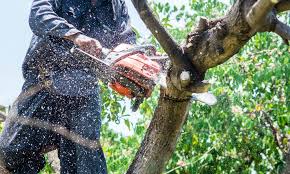
Size management prevents trees from outgrowing available spaces and conflicting with structures or utilities. Unmanaged trees continue expanding until they create problems requiring drastic interventions or complete removal. tree pruning controls growth through selective branch removal, keeping trees within desired dimensions while maintaining health and natural forms.
Step 1: Height limitation
Crown reduction pruning shortens trees by removing the upper parts of main leaders and tall branches. This brings the overall height of trees down to levels that are safe and suitable for the property. The method is different from topping because topping cuts all branches at the same height and leaves ugly stubs that harm the tree. Proper crown reduction makes cuts at points where smaller side branches can grow and take over as new leaders. This keeps the tree looking natural and tapered. Trees can be trimmed in order to prevent it from colliding with power lines or roofs. Pruning trees every few years prevents them from growing too tall and requiring heavy cuts later. Gradual size management through routine pruning proves less stressful for trees compared to dramatic reductions attempting to correct years of neglected growth in single sessions.
Step 2: Spread control
Lateral branch pruning helps control the width of a tree. It prevents trees from spreading beyond property limits or growing onto buildings and neighbouring spaces. Branches that grow outward are cut at the right points. This directs the tree to grow more upward and inward. The process keeps the canopy balanced while stopping growth in areas where space is limited. Trees only need pruning on the sides facing houses or structures. Other sides can grow without restriction. Controlling width allows trees to fit into gardens and yards. Unchecked growth could otherwise create problems with fences and driveways. Strategic spread management keeps trees proportional to available spaces rather than overwhelming small yards with massive canopies better suited to park settings or open fields.
Step 3: Density regulation
- Interior branch removal reduces canopy volume without changing external dimensions, creating lighter, more open crowns
- Dense canopies become hazardous during storms when excessive branch mass creates weight and wind resistance problems
- Thinning cuts throughout canopies remove selected branches, decreasing overall mass while maintaining natural appearances
- Reduced density improves tree health through better light penetration and air circulation, benefiting remaining foliage
- Regular density management prevents gradual overcrowding as new growth continuously adds branches and foliage over the years
Step 4: Growth direction
Training pruning during formative years establishes desired growth patterns, limiting future size management needs through proper early direction. Young tree pruning removes competing leaders, corrects wide branch angles, and eliminates crossing branches, setting up structures requiring less corrective work later. Mature tree pruning redirects growth by removing branches extending in undesirable directions while leaving those growing where space permits. Selective removal encourages growth into available spaces rather than toward conflict areas like buildings or power lines. Directional pruning proves particularly valuable in confined urban settings where trees must grow within tight parameters between structures and utilities. Proper direction from early ages through consistent pruning creates trees that naturally fit their spaces rather than constantly fighting against their environments, requiring perpetual corrective cutting.
Size management through pruning involves limiting height through crown reduction, controlling spread by shortening lateral branches, regulating density through interior thinning, and directing growth through selective removal, establishing patterns, and keeping trees within available spaces throughout their lives.