In modern commercial buildings, energy use and indoor comfort are two of the most important factors that affect both productivity and operating costs. Heating, ventilation, and air conditioning systems play a major role in maintaining a comfortable environment, but they can also become a major source of energy waste if not designed or managed properly. This is where HVAC consulting engineers play a vital role. They help businesses design, optimize, and maintain HVAC systems in a way that improves efficiency, reduces costs, and supports long-term sustainability.
Understanding the Role of HVAC Consulting Engineers
HVAC consulting engineers are professionals who specialize in planning and improving heating, cooling, and ventilation systems for buildings. Instead of simply installing equipment, they focus on designing smart systems that match the specific needs of a commercial property. They evaluate building size, usage patterns, occupancy levels, and climate conditions to create efficient HVAC solutions.
By working closely with architects, contractors, and facility managers, HVAC consulting engineers ensure that systems are not only properly installed but also correctly integrated into the building’s structure. Their main goal is to achieve the best balance between comfort, performance, and energy efficiency.
Designing Energy-Efficient HVAC Systems
One of the most important contributions of HVAC consulting engineers is energy-efficient system design. Many commercial buildings waste energy because their HVAC systems are either outdated or not properly designed for current usage needs. Engineers analyze these systems and recommend improvements that reduce unnecessary energy consumption.
They may suggest advanced control systems, better airflow designs, or high-efficiency equipment that adjusts automatically based on real-time demand. By optimizing system design from the beginning, HVAC consulting engineers help property owners avoid long-term operational inefficiencies and high utility bills.
Improving Performance Through System Optimization
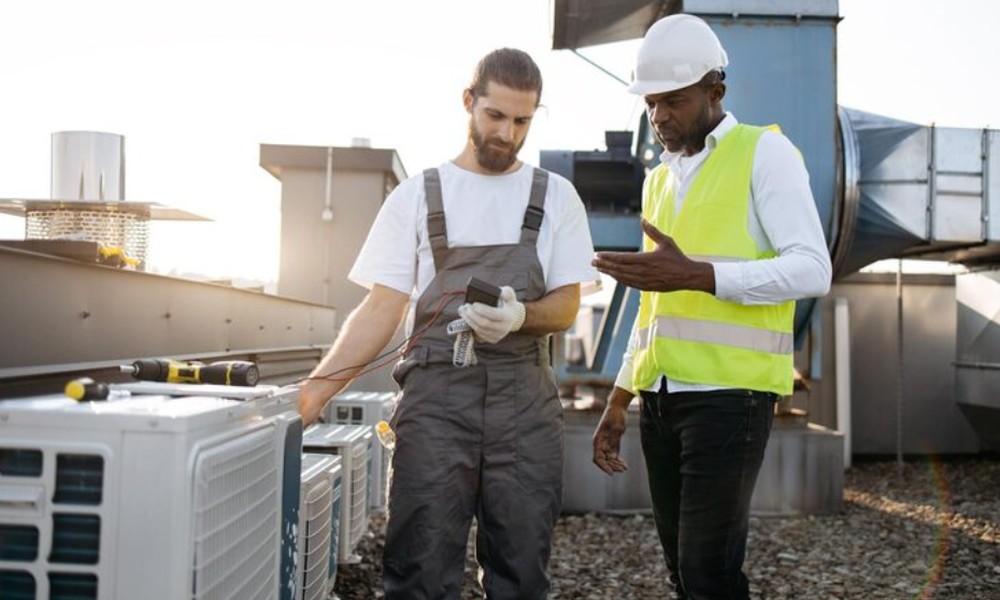
Even if a commercial property already has an HVAC system in place, HVAC consulting engineers can still make a significant difference. They perform detailed system audits to identify issues such as uneven temperature distribution, poor ventilation, or excessive energy use.
After identifying the problems, they recommend practical solutions such as recalibrating equipment, upgrading outdated components, or improving insulation and airflow pathways. These adjustments help the system run more smoothly and reduce strain on equipment, which also extends its lifespan. In many cases, small improvements recommended by HVAC consulting engineers can lead to noticeable performance gains.
Reducing Costs and Supporting Sustainability
Energy efficiency is not only about comfort but also about reducing operational costs. Commercial properties often spend a large portion of their budget on heating and cooling. HVAC consulting engineers help lower these expenses by making systems more efficient and less wasteful.
In addition to cost savings, they also focus on environmental impact. Efficient HVAC systems reduce energy consumption, which leads to lower carbon emissions. This is especially important for businesses that want to meet sustainability goals or comply with environmental standards. By improving system performance, HVAC consulting engineers help create greener and more responsible buildings.
Conclusion
HVAC systems are essential for maintaining comfort and productivity in commercial properties, but they must be properly designed and managed to avoid energy waste. HVAC consulting engineers provide the expertise needed to achieve this balance. From designing efficient systems to improving existing setups and reducing operational costs, they play a key role in enhancing building performance. By working with these professionals, property owners can ensure long-term savings, improved comfort, and a more sustainable approach to building management.