

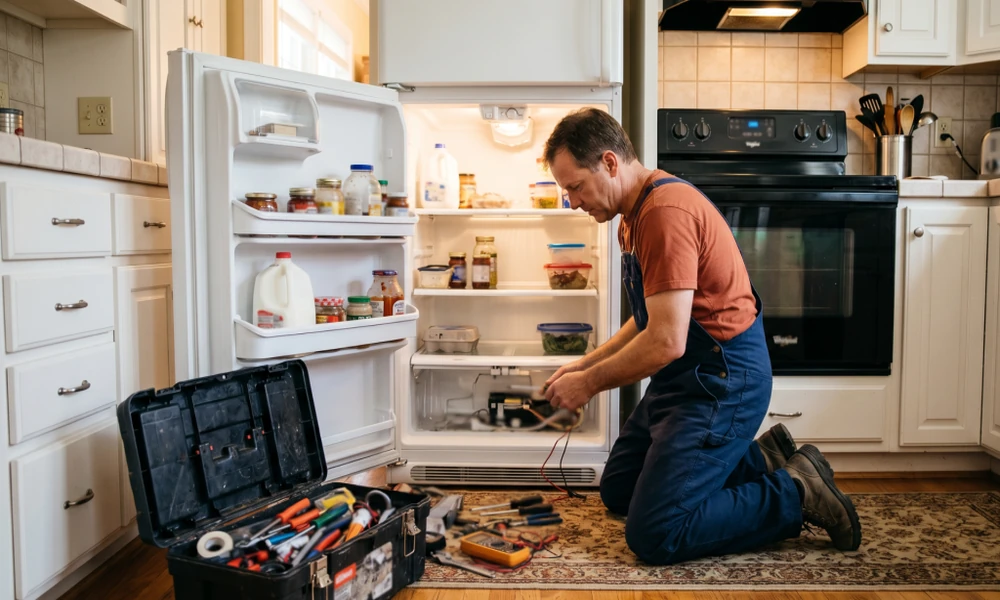
A humming fridge is the background music of a working kitchen, but when that hum fades or turns into a mysterious clunk, panic can set in fast. Suddenly, you’re picturing spoiled groceries, pricey repairs, and the hassle of finding a reliable technician. Before you reach for the phone, there’s plenty you can do on your own to diagnose and even fix common refrigerator problems, saving both time and money.
Identifying Common Refrigerator Problems: Symptoms and Causes
When your fridge stops behaving, the symptoms usually point straight to the culprit if you know what to look for. Cooling issues are among the most common complaints. If the milk isn’t cold or ice cream is melting, start by checking the temperature settings. A bumped dial, blocked air vent, or overloaded fridge can prevent cold air from circulating. Water puddling under your fridge signals a clogged defrost drain, while an aggressive rattle or buzz could mean a loose fan or failing compressor. Ice maker malfunctions and a freezer that won’t freeze often share roots in faulty water lines or a defunct evaporator fan. Don’t overlook the door seal, a compromised gasket lets cold air escape and can undermine all other repairs.
Diagnosing Your Fridge: Tools and Techniques for Homeowners
You don’t need to be an engineer to run some effective at-home diagnostics. Start with the basics: Is the fridge plugged in and the circuit breaker on? Next, inspect the thermostat, many problems stem from settings that have drifted or been accidentally changed. Feel for cool air blowing inside; if not, listen for the sound of fans running. A simple hand mirror can help you look behind or beneath the appliance for blocked condenser coils, which are easy to clean with a vacuum or coil brush.
For deeper troubleshooting, a multimeter can check for continuity in components like the thermostat, defrost heater, or compressor start relay. Remove the back panel and look for frost buildup, which hints at a faulty defrost system. If the fridge cycles on and off every few minutes or never starts at all, the compressor relay or overload protector might be to blame.
DIY Fixes vs. Professional Repairs: Weighing Your Options
Many refrigerator fixes are surprisingly simple. Replacing a torn door seal, clearing out clogged drains, cleaning coils, or making sure nothing blocks the vents requires no special skills and minimal tools. Changing a water filter or resetting the ice maker can also be tackled by most homeowners. However, anything involving sealed systems, compressors, or refrigerants should be left to professionals. DIY repairs on these parts can be hazardous and may void your warranty. If you hear a persistent clicking from the compressor, or the fridge is not cooling at all despite your best efforts, it’s time to call a certified technician.
Repairing vs. Replacing Your Refrigerator: The Smart Decision Framework
Not all fridge failures are fatal. If your appliance is less than 10 years old and the repair is less than half the cost of a new fridge, fixing it is often the smarter choice. But when breakdowns become frequent, energy efficiency declines, or the repair bill climbs above 50% of replacement cost, investing in a new, more reliable model makes sense. Environmental factors matter too, repairing instead of replacing reduces landfill waste, but only if your old fridge isn’t costing you much more in electricity.
| Scenario | Favour Repair | Favour Replacement |
|————————-|:————-:|:—————–:|
| Fridge Age (<10 yrs) | ✔️ | |
| Repair Cost (<50% new) | ✔️ | |
| Multiple Recurring Issues | | ✔️ |
| Energy Efficiency | | ✔️ |
Brand-Specific Troubleshooting and Repair Insights
Different fridge brands have their own quirks. Samsung and LG often encounter ice maker challenges and linear compressor issues. Whirlpool, KitchenAid, and Maytag models can suffer from defrost malfunctions and inconsistent temperature control. GE, Kenmore, and Bosch are known for problems with drain clogs and noisy fan motors. Understanding these tendencies helps with quicker diagnosis, and can guide you in finding parts or repair guidance specific to your model.
The Role of the Compressor: Diagnosis, Repair, and Replacement
The compressor is the heart of your refrigerator’s cooling system, and its failure usually spells trouble. If the fridge isn’t cooling, runs constantly, or you hear a loud clicking sound, the compressor or its relay is suspect. Repairs here are complex and require specialized skills and equipment. Replacing the compressor costs more but is worthwhile on newer, high-end models; for older fridges, it’s often the tipping point toward replacement.
Ensuring Long-Term Reliability: Maintenance Tips and Preventative Care
Prevention beats cure. Vacuuming or brushing the condenser coils twice a year keeps the system efficient and reduces strain on the compressor. Check door seals regularly for cracks or gaps and replace them promptly. Inspect and flush the ice maker water line once a year to avoid leaks and blockages. Scheduling a professional inspection every few years can catch minor issues before they turn major, ensuring your fridge quietly does its job for years to come.
Choosing the Right Repair Service: What Sets Honest Guys Appliance Repair Apart?
When your DIY efforts reach their limit, trust matters. What separates Honest Guys Appliance Repair from the rest is transparency in pricing, skilled technicians certified on all major brands, and a real commitment to same-day service when possible. Their clear, up-front quotes mean you never face hidden fees, and every repair includes a comprehensive warranty. As a local Ottawa expert, their experience with the unique issues faced by homeowners in the region ensures fast, reliable fixes that put your mind at ease.
Sometimes, a little knowledge is all it takes to get your fridge back on track, and when you need a hand, a truly honest repair service makes all the difference.
