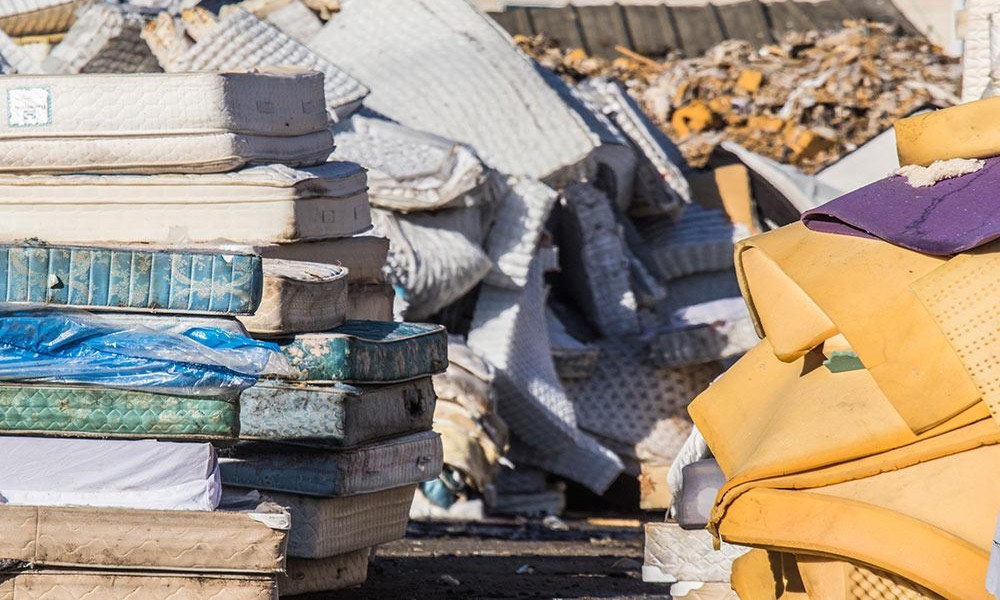
Forget everything you think you know about getting rid of an old mattress. That lumpy relic isn’t just taking up space, if it lands in a landfill, it could linger for decades. Mattress recycling is quickly becoming the responsible choice for households who want their sleep to have a lighter environmental footprint.
Why Mattress Recycling Matters: The Environmental Impact
Tossing a mattress into a landfill might seem harmless, but the reality is far less forgiving. Mattresses are built to last, and that durability becomes a nightmare in a dump. Each one contains foam, fabric, steel springs, and wood, all tangled together in a way that makes decomposition painfully slow.
The Problem with Landfills and Mattresses
Most mattresses end up buried beneath mountains of other garbage, making them a troublesome item for landfills to deal with. They take up massive amounts of space, often float to the surface as they trap air, and can even ruin landfill machinery. Worse yet, as they very slowly break down, they release chemicals and microplastics into the soil and groundwater.
How Long Do Mattresses Take to Decompose?
A single mattress can take up to 80 to 100 years to fully decompose in a landfill. That means a mattress thrown away today could still be sitting underground when your great-grandchildren are around. Multiply this by the millions discarded every year and the problem grows exponentially.
Global and Local Mattress Waste Statistics
Worldwide, millions of mattresses are sent to landfills each year. In Canada alone, hundreds of thousands are thrown out annually, with major cities like Toronto and Montreal accounting for a significant share. The sheer volume is staggering, making sustainable solutions not just preferable, but necessary.
Case Study: Recyc-Matelas – A Leader in Canadian Mattress Recycling
When it comes to tackling mattress waste head-on, Canada offers a shining example of innovation and commitment.
Origins and Mission of Recyc-Matelas
Founded to provide an alternative to the status quo, Recyc-Matelas emerged as a response to the overwhelming need for sustainable disposal. Their mission? To recycle every possible component of a mattress and divert as much waste as possible from landfills.
Innovative Recycling Solutions Employed
Unlike traditional waste management, this organization dismantles mattresses by hand and with specialized machinery, separating steel, foam, fabric, and wood. Each material finds a second life: steel gets melted down, foam is cleaned and repurposed, fabric is reused in industrial settings, and wood may become mulch or fuel.
Environmental and Community Benefits Achieved
So far, Recyc-Matelas has recycled over four million mattresses, saving millions of cubic feet of landfill space. Their efforts have also created local jobs and fostered public awareness about sustainable waste practices.
Getting Started with Mattress Recycling: What You Need to Know
Ready to recycle? Knowing your options and preparing your mattress will make the process smooth and hassle-free.
Identifying Local Recycling Options and Services
The first step is checking which mattress recycling programs operate in your area. Many municipal websites list approved recyclers, and some mattress retailers offer take-back programs with new purchases. In Canada, specialized services like Recyc-Matelas cover large regions including Quebec and Ontario.
Preparing Your Mattress for Recycling
Remove all bedding and check for significant contamination, such as bed bugs or moisture damage. Some recyclers won’t accept mattresses that are too soiled or infested, so if yours is in rough shape, be sure to call ahead and ask.
Costs, Fees, and Scheduling Pickups
Fees vary depending on location and provider. Some organizations charge a modest fee for curbside pickup, while others may offer drop-off points free of charge. Scheduling is often straightforward, just book online or by phone.
Step-by-Step Guide: How Recyc-Matelas Handles Mattress Recycling
Curious about what happens once your mattress leaves your home?
Collection and Transportation Process
Once scheduled, the recycling service picks up your mattress and transports it to the processing facility. This minimizes illegal dumping and ensures safe handling.
Breakdown and Material Separation Techniques
Skilled workers (and sometimes machines) carefully deconstruct each mattress. Steel, wood, foam, and fabric are sorted into separate streams to maximize recovery.
Reuse and Upcycling Outcomes
Separated materials are shipped to manufacturers or upcycling facilities. Steel is turned into new products, foam can appear in carpet padding, and wood and fabric get new life in other industries.
Overcoming Common Challenges in Mattress Recycling
Not all mattresses are created equal, and not all are equally easy to recycle.
Dealing with Different Mattress Types and Materials
Hybrid, memory foam, and pillow-top mattresses might require extra effort to dismantle. Some advanced materials can’t yet be recycled, but technology is catching up.
Addressing Contamination and Safety Concerns
Heavily soiled or infested mattresses are often rejected to protect workers and equipment. Always check your chosen recycler’s requirements before booking.
Navigating Legal and Regulatory Requirements
Some provinces and municipalities have specific disposal rules. Following these not only prevents fines, but also supports public health and safety.
How You Can Support Sustainable Mattress Disposal
Every recycled mattress counts, but so does spreading the word.
Community Programs and Drop-Off Events
Keep an eye out for local recycling drives or neighborhood drop-off days. These events make it easier for everyone to participate.
Partnering with Retailers and Manufacturers
When buying a new mattress, choose companies that offer recycling options or partner with recyclers.
Educating Friends, Family, and Neighbors
Share resources, dispel myths, and encourage others in your community to opt for recycling instead of dumping.
Looking Ahead: The Future of Mattress Recycling
Innovation has already changed the game, but the work isn’t done.
Emerging Technologies and Innovations
New methods for automated dismantling and material recovery are in the works, promising even higher recycling rates and lower costs.
Expanding Recycling Infrastructure and Policies
Policies that require recycling and support for local recyclers will be key as cities grow and waste increases.
How Consumers Can Influence Change
Your choices matter. By choosing to recycle and advocating for better options, you help shape a cleaner, more sustainable future, one mattress at a time.