It only takes a split second for an ordinary DIY project to turn into a trip to the emergency room. High performance power tools unlock efficiency and precision, but with that power comes risk. Whether you are a seasoned professional or an ambitious weekend renovator, safety gear is not just a formality. It is the line between a job well done and a life-changing injury.
The Critical Role of Safety Gear with High Performance Power Tools
A power drill, impact driver, or circular saw can chew through wood and metal with ease. But those same forces can inflict serious harm if something goes wrong. Even brief lapses in attention or minor equipment failures can lead to flying debris, sudden kickbacks, or ear-splitting noise levels.
Most injuries with high performance tools are preventable. The difference? Consistent and proper use of personal protective equipment (PPE). Safety gear is designed to intercept dangers before they reach you. Without it, even the best tool in the world becomes a hazard.
Understanding the Risks of High Performance Power Tools
High RPMs, torque, and sharp moving parts create multiple hazard zones. Sparks, shrapnel, dust clouds, and intense vibrations put eyes, ears, lungs, and skin in the firing line. Electric shocks and accidental slips add another layer of risk, especially in cluttered or poorly lit spaces.
Common Injuries and How Safety Gear Prevents Them
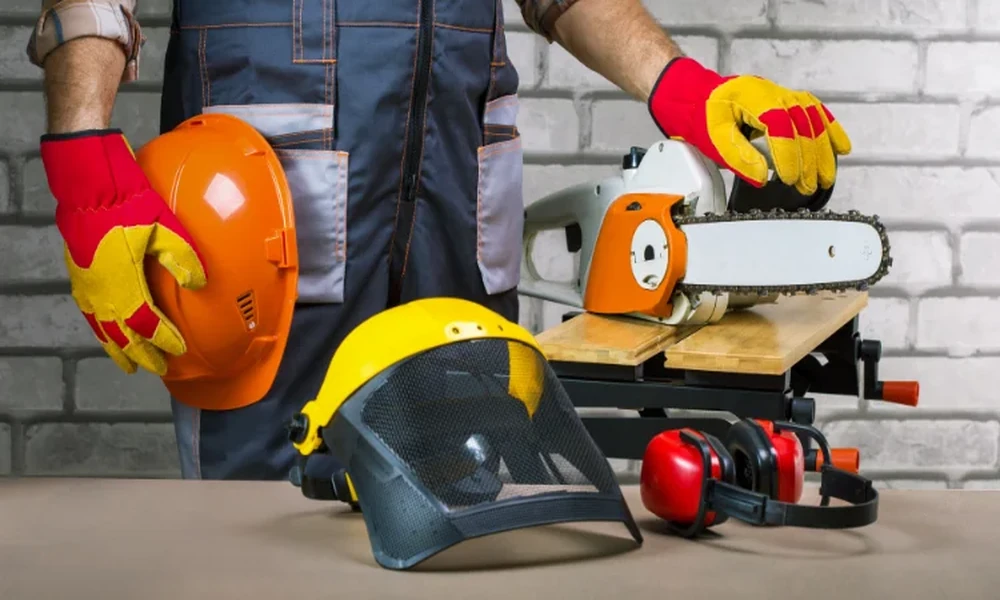
The statistics are sobering: eye injuries from fragments, hearing loss from prolonged exposure to noise over 85 decibels, deep lacerations, crushed fingers, and respiratory issues from dust are common. Goggles stop metal shards before they hit your eye. Ear muffs dull the roar of grinders. Gloves absorb vibration and shield skin from abrasions. Each piece of gear is a targeted defense.
The Cost of Neglecting Proper Safety Equipment
Beyond physical pain, ignoring safety gear costs time, money, and sometimes careers. Workplace insurance claims, lost productivity, and permanent disability can all follow a moment’s negligence. For DIYers, the price may be a ruined weekend or far worse.
Essential Safety Gear Types for Power Tool Users
The right PPE is tailored to the job and tool at hand, but a few essentials stand out.
Protective Eyewear: Shielding Against Flying Debris
Tiny, fast-moving fragments are an invisible threat. Safety glasses or goggles with side shields form a barrier that regular eyeglasses cannot match.
Hearing Protection: Guarding Against Noise-Induced Hearing Loss
Power tools regularly exceed safe sound thresholds. Earplugs or earmuffs can mean the difference between a day’s work and long-term tinnitus.
Gloves: Enhancing Grip and Protecting Hands
Anti-vibration and cut-resistant gloves provide critical grip and shield the skin from sharp edges and accidental slips.
Respiratory Masks: Preventing Inhalation of Harmful Particles
Sanding, cutting, and grinding kick up clouds of dust and fumes. Respirators and dust masks filter out particles that threaten lung health.
Protective Clothing and Footwear: Minimizing Cuts and Impact Injuries
Heavy-duty workwear, reinforced boots, and sleeves offer a last line of defense. They prevent superficial injuries and absorb minor impacts.
Head Protection: Hard Hats and Their Importance
On construction sites or when working near overhead hazards, hard hats guard against falling objects and accidental bumps.
Choosing the Right Safety Gear for Specific Power Tools
No two jobs are quite alike, and neither are their risks.
– Drills and Impact Drivers: Safety goggles and gloves are mandatory, with dust masks for overhead or masonry drilling.
– Saws and Cutting Tools: Eye and hearing protection are crucial. Add tight-fitting gloves and avoid loose clothing.
– Grinders and Sanders: Respiratory masks, shatterproof goggles, and sturdy gloves help minimize flying sparks and dust.
– Rotary and Multi-Function Tools: Compact but hazardous, these require close-fitting PPE that does not get tangled.
Products like Milwaukee tools at GSM depot often pair powerful performance with built-in safety features, but no tool is a substitute for proper gear.
Best Practices for Using Safety Gear Effectively
Protection is worthless if it is not used correctly.
– Proper Fit and Comfort: Ill-fitting gear gets left behind. Choose adjustable, comfortable equipment so you will actually wear it.
– Regular Maintenance and Inspection: Check for cracks, fraying, or wear before each use. Replace damaged gear immediately.
– Integrate into Daily Routine: Make gear part of your setup process, not an afterthought.
– Training and Awareness: Knowledge of what to wear, when, and why is just as critical as the gear itself. Share best practices on every job site.
Innovations and Trends in Power Tool Safety Gear
Technology is raising the bar on safety.
– Material Advances: Lighter, stronger composites offer more protection without bulk.
– Smart Gear: Wearables with real-time alerts, like sensors for excess vibration or decibel levels, help prevent chronic injuries.
– Eco-Friendly Options: Sustainable materials are making safety not just smart, but responsible.
Legal and Industry Standards Governing Safety Gear Use
Regulations are there for a reason. Most regions require PPE on professional job sites, and standards like CSA or ANSI certification indicate trustworthy equipment. Non-compliance risks fines, lawsuits, and insurance denials.
Building a Safety-First Culture in Power Tool Use
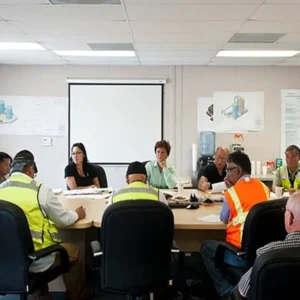
Safety culture starts with accountability. Employers must set clear expectations and provide the right gear. Manufacturers continue to innovate, but the ultimate responsibility lies with users. Real-world success? Look to sites where strict PPE use has brought accident rates down to near zero. Stories like these prove that the right combination of equipment, training, and culture can keep every project on track, and every worker safe.