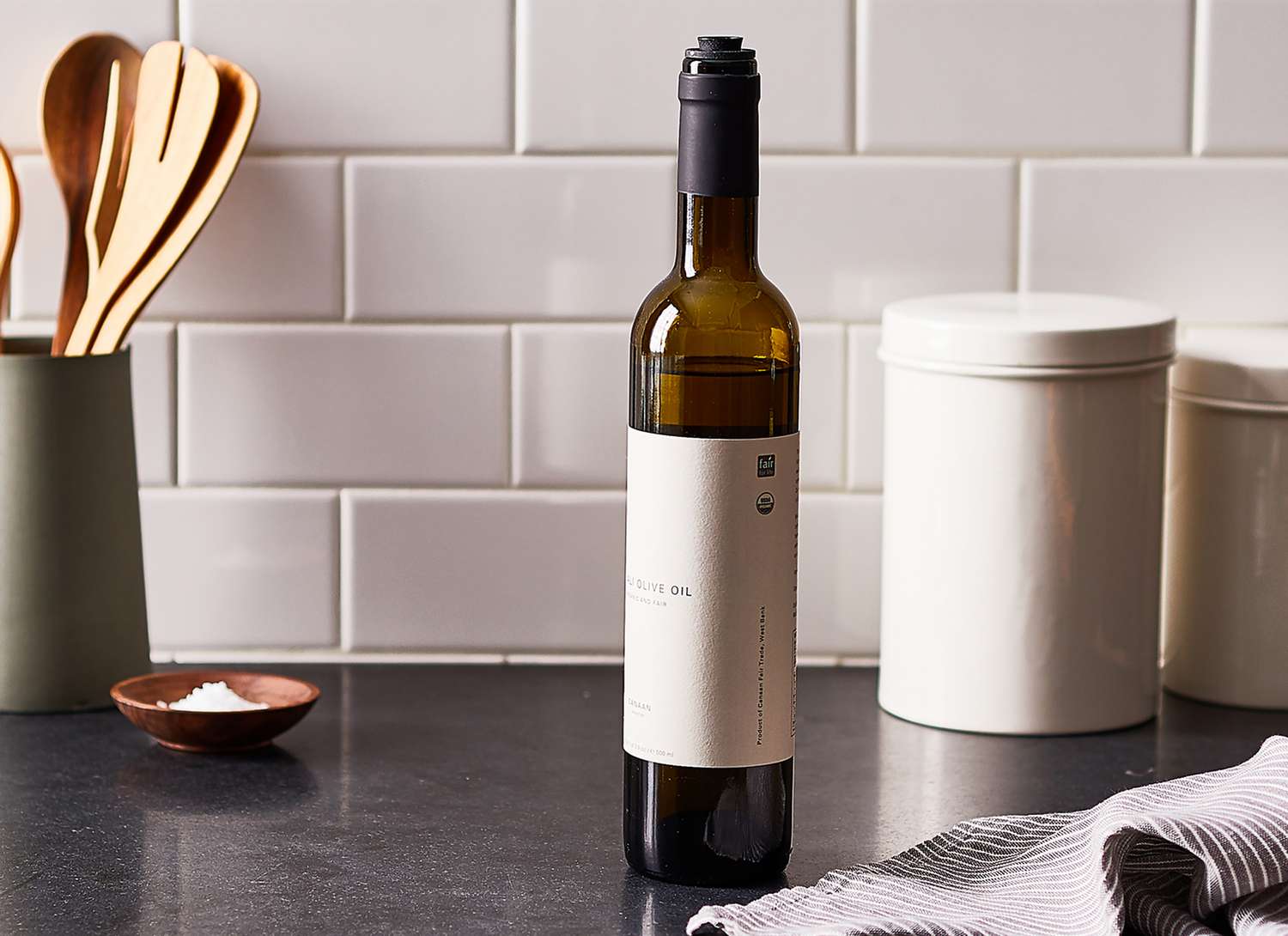
From harvest to home kitchen, the bottle that carries olive oil influences how it tastes, how long it stays fresh, and how it looks on the shelf. Producers weigh clarity, tint, and shape against the need for strength, reliable closures, and efficient transport. Well-engineered Glass Containers deliver a neutral, protective environment, while thoughtful design details help consumers pour confidently and avoid waste. Brands working with partners such as Ashland Container can calibrate materials, finishes, and seals to preserve quality while supporting distinct visual identity. This article explores composition, design, durability, and environmental factors that determine whether a container truly complements premium oils.
How Glass Composition Protects Flavor and Extends Shelf Stability
Glass earns its place in olive oil packaging because it is chemically inert, which helps preserve delicate aromatic compounds that define a premium oil. Unlike some materials that can interact with lipids, high-quality glass resists absorption and prevents off-flavors from forming over time. The base composition—typically soda-lime—can be tuned with additives and tints to reduce ultraviolet transmission, a key tactic since light exposure accelerates oxidation. Amber and dark green options, paired with low-iron formulas, offer a protective barrier without sacrificing visual appeal. In practice, the right composition slows the interaction between oxygen, light, and heat, three drivers of rancidity that diminish freshness.
Barrier performance and tint selection
The protective performance of glass also lies in its surface characteristics, which remain nonreactive even when in contact with oil for extended periods. Finite oxygen permeation is negligible through the glass wall, meaning most oxidation risks come from headspace and closure systems rather than the container itself. Selecting darker tints adds another layer of defense, filtering wavelengths that can initiate photo-oxidation, particularly in extra virgin oils rich in polyphenols. Producers often balance a partial tint with staged retail lighting, allowing consumers to appreciate color while shielding the contents. When used thoughtfully, Glass Containers provide a stable environment where oil maintains its sensory profile for longer, supporting both shelf-life targets and consumer satisfaction.
Design Features That Improve Pour Control and Spill Prevention
Functional design directly affects how much oil reaches the pan versus the countertop. Bottles that incorporate restrictor inserts, tapered necks, or anti-glug features allow a controlled, even stream, matching the viscosity of olive oil at room temperature. Smooth internal finishes and precise neck diameters reduce turbulence, which is often the cause of abrupt surges and drips. External geometry matters too: subtle flats or shallow grips can help users hold the bottle at a steady angle. Together, these choices reduce waste and promote a clean, consistent pour that supports both home cooks and professional kitchens.
Components that shape the pour
Advanced spouts and closures regulate flow and minimize air exchange, which affects both dosing and oxidation. Drip-free collars, for instance, interrupt the surface tension that causes oil to roll down the exterior after the pour. Anti-glug vents let air re-enter smoothly, preventing the “glugging” that leads to sudden bursts and spills. Pairing these features with compatible thread standards and precision-fitted inserts helps ensure the component stack works as a system rather than as isolated parts. When the bottle body and closure are engineered together, Glass Containers become intuitive to use and remarkably tidy, supporting portion control while preserving product quality in every service.
Clarity, Shape, and Label Space as Elements of Shelf Appeal
Visual presence on the shelf can nudge a shopper from curiosity to purchase in seconds. Clarity communicates purity, especially for filtered oils, while a thoughtfully chosen tint signals protection without masking color entirely. Bottle silhouettes such as Dorica and Marasca shapes carry category cues, but subtle variations—slimmer shoulders, crisper label panels, embossed accents—create brand distinction. A generous, flat label panel prevents wrinkling and improves legibility, ensuring regulatory copy, origin details, and flavor notes are easy to read. When these elements align, the packaging looks professional, trustworthy, and aligned with the price point.
Balancing form and storytelling
Shelf appeal also depends on how structure supports storytelling. A bottle with a well-defined label recess creates a natural frame for typography and origin marks, while embossing can add tactile quality without relying on extra labels. Carefully chosen coatings—like soft frosting or light texture—can elevate perceived value and diffuse harsh retail lighting that might otherwise glare off the surface. Designers also consider how the bottle reads from a distance, ensuring that color blocks and brand marks are visible at the height and spacing typical of retail shelving. By treating the bottle as both a protective vessel and a visual narrative, brands translate their values from grove to aisle without compromising functional performance.
Durability Standards for Transporting Oils Across Long Distances
Olive oil often travels far from the press to the consumer, making mechanical strength and packaging design critical. Bottle geometry, wall thickness, and annealing practices combine to resist impacts and vibrations over long-haul journeys. Palletized shipments demand consistent dimensions to reduce stress points, and well-engineered partitions and trays help distribute loads evenly. Drop testing, compression assessments, and torque validation for closures provide confidence that the package can withstand the rigors of transport. In short, durability is not guesswork; it is planned, measured, and verified before cases leave the warehouse.
From production line to pallet
Transit reliability hinges on the full packaging system. Correct application torque ensures closures remain sealed despite temperature swings and altitude changes that cause internal pressure shifts. Cushioning and interlayers reduce glass-to-glass contact, mitigating scuffing and impact fractures during transit and handling. Working with resources like Ashland Container, brands can test case configurations, review pallet patterns, and specify tolerances so Glass Containers maintain integrity across shipping lanes. These upstream decisions translate into fewer damages, consistent shelf presentation, and steady product availability, which is essential for building retailer confidence and protecting margins.
Environmental Advantages of Using Recyclable Glass Packaging
Glass is endlessly recyclable without losing purity, creating a powerful loop for packaging sustainability. Using post-consumer cullet reduces furnace energy demands and cuts carbon emissions while maintaining performance standards. Many municipalities already support glass collection, which makes it easier for consumers to participate in a circular system. Unlike materials that degrade in quality after each cycle, glass can be remade into food-safe containers repeatedly, preserving both form and function. For producers committed to sustainability, this closed-loop potential aligns product values with packaging reality.
Designing for circularity
Building for recyclability begins at the design stage. Labels that use washable adhesives, single-material closures, and minimal metallic embellishments simplify sorting and reprocessing. Lightweighting strategies can lower material use and transportation impact, though they must be balanced against drop resistance to avoid increasing breakage rates. Including a percentage of recycled cullet while maintaining clarity and tint targets helps demonstrate progress without sacrificing shelf appeal. By communicating these choices and encouraging proper disposal, brands help consumers see that their purchase of Glass Containers contributes to an ongoing environmental benefit rather than a single-use outcome.
How Proper Closures and Seals Maintain Product Freshness
Even the best bottle will fall short if the closure allows oxygen ingress or leaks under stress. Olive oil is sensitive to air, light, and heat, so closures must work with the bottle finish to form a tight, consistent seal. Threaded metal or plastic caps with quality liners, flow restrictors, or pourers can stabilize headspace oxygen and minimize drip-back. Tamper-evident bands communicate integrity while protecting the consumer from contaminated or previously opened goods. When the closure system is chosen and applied correctly, the result is a meaningful extension of freshness and flavor consistency.
Choosing the right liner and finish
Liner selection plays a central role in barrier performance and leak prevention. Expanded polyethylene (EPE) and other food-safe liners compress evenly to create a uniform seal, while specialty barriers add protection for longer shelf-life targets. Correct application torque seals the liner effectively without distorting the cap or damaging the bottle finish, and compatibility between the finish standard and closure thread ensures repeatable performance. Including restrictor inserts limits oxygen exchange during use, especially when consumers pour slowly and recap promptly. Collaborating with an experienced supplier such as Ashland Container helps brands evaluate liner chemistries, validate torque windows, and specify finishes so the closure-bottle system safeguards quality from bottling line to final pour, keeping premium oils at their best inside well-engineered Glass Containers.