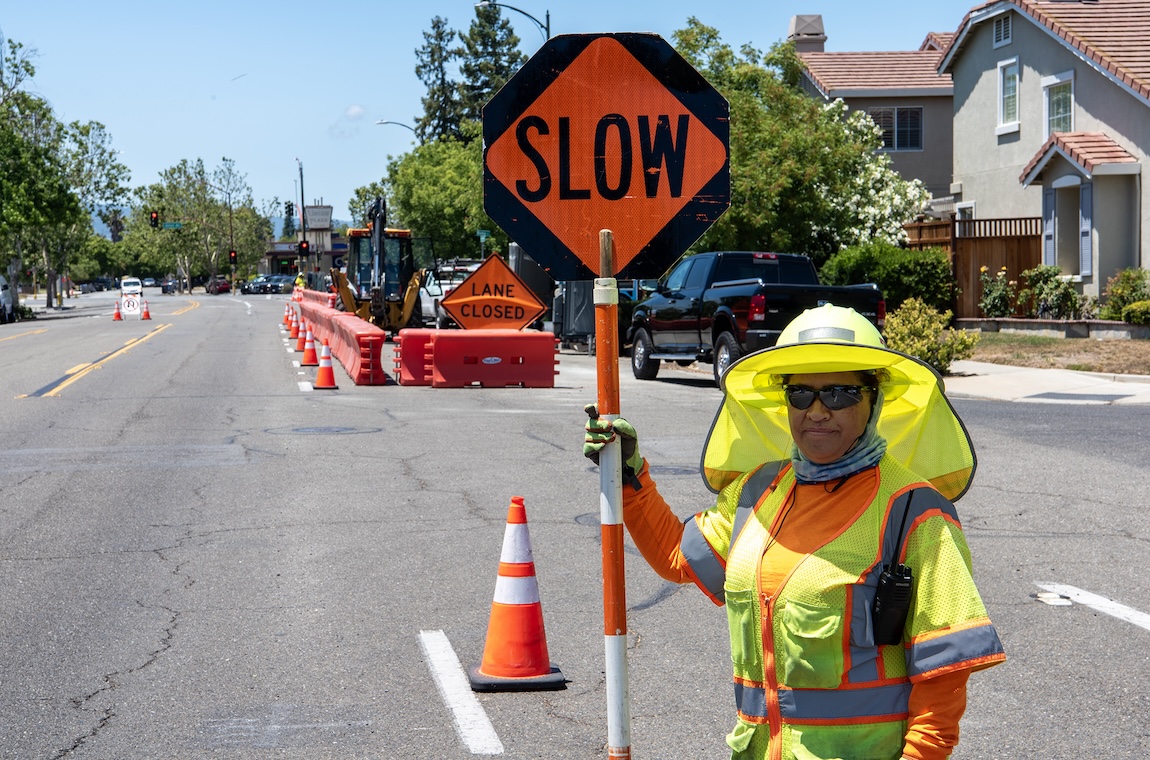
Forget everything you think you know about traffic control. Most people picture a few cones and a bored flagger waving cars along, but the reality is a high-stakes operation where every detail can affect safety, efficiency, and the success of massive infrastructure projects. The myths surrounding traffic management not only endanger workers and the public, but also waste time and money on the road. It’s time to set the record straight and reveal what truly makes traffic control safe and efficient.
Myth 1: Traffic Control Is Just About Putting Up Cones
A scattering of cones might seem like the universal solution for roadwork, but actual traffic management involves strategy, foresight, and an understanding of unpredictable human behavior. Simply dropping cones on the road is like locking a front door and leaving the windows wide open.
Why Proper Planning Makes All the Difference
Every intersection, highway, and construction site presents its own hazards, traffic patterns, and pedestrian flows. Effective planning considers rush hours, local events, weather, and even visibility for drivers and cyclists. When planning is neglected, confusion reigns, leading to fender benders, frustrated commuters, and unsafe work zones.
The Role of Customized Traffic Control Plans
Municipalities often require more than a standard setup from the Ontario Traffic Manual (Book 7) before granting a road occupancy permit. Customized plans are tailored for each project to account for unique road configurations, traffic loads, and pedestrian needs. With the right plan in place, both the public and workers enjoy safer, more predictable travel.
Case Study: When Generic Setups Fail
Imagine a busy urban intersection near a hospital. One-size-fits-all signage and cone placement may not direct emergency vehicles effectively, causing delays. In contrast, a customized approach reroutes ambulances smoothly, keeps crosswalks clear for patients and staff, and communicates changes with digital signage. Skimping on planning can have real and immediate impacts.
Myth 2: Lane Closures Always Cause Major Traffic Jams
It’s easy to blame construction for gridlock, but efficient lane closures can actually keep traffic moving better than a haphazard approach.
How Efficient Lane Closures Minimize Congestion
The secret lies in timing and communication. Scheduling closures during off-peak hours, clearly marking detours, and using advance warning signs help drivers adjust their routes ahead of time. Temporary but clear markings reduce hesitation, keeping vehicles flowing even in reduced lanes.
Techniques to Maintain Traffic Flow During Closures
Professional crews use a variety of tactics:
– Dynamic lane signage that adjusts in real time
– Strategic use of flaggers to alternate traffic on two-lane roads
– Priority lanes for public transit and emergency vehicles
These methods are designed to keep essential road capacity available while protecting workers.
Success Stories from Ontario Projects
Across Ontario, projects that used detailed lane closure plans and real-time traffic monitoring saw measurable reductions in delays. For example, in a recent downtown Toronto repair, adaptive detour signage and coordinated flagging cut average commute times by 15 percent compared to traditional setups.
Myth 3: Flaggers Are Simply Traffic Stop Signs
Think of a flagger as a living, breathing safety system, not just another stationary sign. Their role requires attention, rapid judgment, and clear communication.
The Critical Skills and Training Flaggers Require
Flaggers undergo rigorous training to handle:
– High-visibility hand signals
– Emergency communication protocols
– Understanding driver psychology and anticipating risky behavior
A distracted or untrained flagger can quickly turn a safe work zone into a hazardous one.
How Flagging Crews Enhance Safety and Efficiency
Professional flagging crews do more than control traffic. They coordinate with construction teams, adjust flows on the fly, and act as the eyes and ears of the operation. When traffic backs up unexpectedly, a skilled flagger can quickly clear a path for emergency vehicles or reroute traffic to prevent bottlenecks.
Common Flagging Mistakes and How to Avoid Them
Miscommunication, lack of visibility, and fatigue are leading causes of flagging errors. Regular breaks, high-visibility gear, and team-based rotations keep crews sharp and effective.
Myth 4: Safety Measures in Traffic Control Are Overkill
Some see safety protocols as unnecessary red tape, but the real-world consequences of lax safety are devastating.
The True Cost of Neglecting Worker and Public Safety
Work zone accidents can result in fatalities, serious injuries, lawsuits, and crippling project delays. In Ontario, strict safety regulations have been put in place after too many preventable tragedies. No shortcut is worth a life.
Technologies and Practices That Save Lives
Modern traffic control incorporates:
– Real-time alerts for approaching vehicles
– Automated flagging devices for high-risk zones
– Barriers that can withstand high-speed impacts
Together, these reduce risk for everyone on the road.
Salus Traffic’s Commitment to Safety Excellence
Providers like Salus Traffic Safety exemplify what it means to put safety first. Their crews are trained, their gear is state-of-the-art, and every plan is designed with zero-tolerance for shortcuts. Their family-owned values mean the workers’ lives truly matter, not just as employees, but as people.
Myth 5: Traffic Control Is a One-Size-Fits-All Solution
No two projects are alike. Treating them that way results in confusion, inefficiency, and danger.
Adapting Traffic Management to Project-Specific Needs
Whether it’s a small utility repair on a side street or a months-long highway expansion, each scenario demands a unique plan. Factors such as weather, lighting, road curvature, and nearby businesses all change the equation.
Understanding Municipal Requirements and Permits
Being aware of municipal requirements (like detailed traffic control plans for permits) prevents costly stops and legal headaches. Adapting to local rules is non-negotiable for a successful project.
The Importance of Flexibility in Traffic Solutions
The best teams are adaptable. When unexpected events unfold, a water main break, pop-up street festival, or emergency detour, they move quickly, updating plans and communicating instantly with both crews and the public.
Myth 6: Lane Closures and Traffic Control Are Inefficient Time Wasters
It’s tempting to view traffic control as a delay, but in reality, skilled management streamlines the entire project.
How Well-Executed Plans Improve Project Timelines
A well-mapped traffic setup prevents accidents, minimizes complaints, and keeps work zones orderly. This means fewer interruptions and faster completion.
Coordination Between Traffic Control and Construction Teams
Open communication between traffic crews and construction leads to fewer conflicts and safer, more predictable work environments. Daily briefings, shared schedules, and real-time updates are key.
Measuring Efficiency: Metrics That Matter
Efficiency isn’t just about speed. Consider these measures:
– Average vehicle delay per hour
– Incident rate per project
– Time to project completion versus projection
Smart teams track these metrics, making improvements with every job.
Myth 7: Hiring Traffic Control Services Is Expensive and Unnecessary
DIY approaches may look cheaper on paper, but the hidden costs quickly add up.
Long-Term Savings from Professional Traffic Management
Professionally managed sites drastically reduce accidents, costly delays, and liability. Insurance premiums and municipal fines are often lower for projects managed by certified teams.
The Risks and Costs of DIY or Inadequate Traffic Control
Improperly marked zones, insufficient signage, and untrained personnel increase the risk of accidents and lawsuits. Municipalities may shut down non-compliant projects, resulting in penalties and reputational damage.
Choosing a Trusted Provider: What to Look For
Experience, certified staff, a transparent safety record, and client testimonials are all signs of a reliable partner. Look for companies who not only know the rules, but go above and beyond to keep people safe.
Moving Beyond Myths: Best Practices for Safe and Efficient Traffic Control
The next generation of traffic control is about integrating best practices, embracing innovation, and earning the trust of clients and communities.
Integrating Safety, Efficiency, and Reliability
Leading companies blend top-tier safety protocols with efficient planning. This creates work zones where everyone, drivers, workers, pedestrians, moves safely and predictably.
Continuous Training and Innovation in Traffic Management
Ongoing staff development, investment in new technologies, and a willingness to learn from each project ensure that traffic control continually improves.
Building Trust with the Community and Clients
Open communication, visible safety measures, and a responsive team build goodwill with residents and businesses. When people know they can trust the process, frustration turns into cooperation.
In the end, traffic control is more than just moving cars around cones. It’s a complex, evolving discipline that protects lives, saves money, and keeps our cities moving forward. Ignore the myths and insist on standards that recognize what’s truly at stake every time a lane closes.