

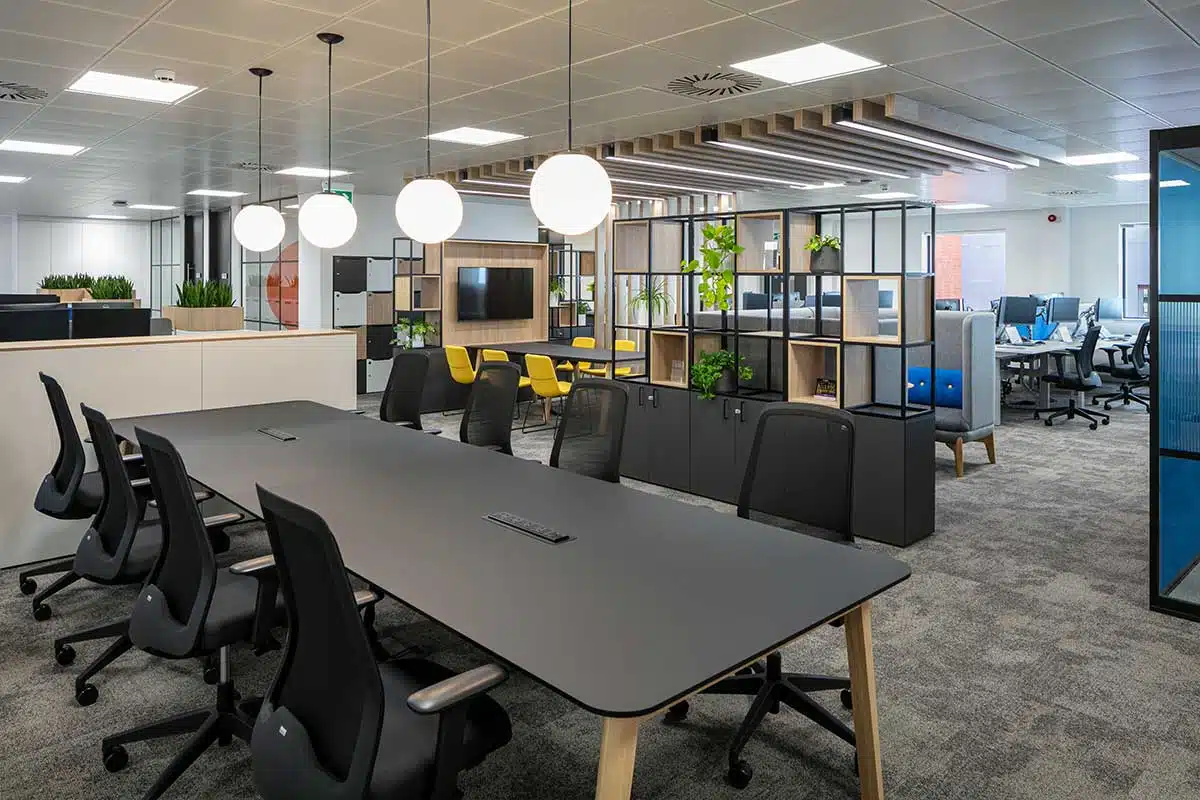
Across major business districts, companies are reassessing the purpose of the office. Hybrid work has redefined how teams interact with physical space, and organisations are increasingly treating their workplace as a strategic asset rather than a fixed cost. This shift has pushed fit out project management into the spotlight, as businesses confront more complex renovation timelines, regulatory requirements, and operational expectations than ever before.
Industry observers note that even small-scale office upgrades now involve a wide range of considerations, from ventilation standards and acoustic control to IT infrastructure and ESG compliance. Without a clear management framework, the decision-making process can easily become fragmented. Fit out specialists say that structured oversight is no longer a luxury but a practical necessity, especially for companies navigating tight rental cycles or relocating under pressing deadlines.
Coordination Challenges Behind Every Renovation
Although a completed workspace may appear seamless, the path leading to it rarely is. A typical commercial fit out brings together architects, engineers, contractors, technology vendors, and landlords, each with their own timelines and constraints. Fit out project management functions as the operational backbone that connects these moving parts.
Project managers interviewed in the sector say the biggest risks generally emerge from misaligned schedules, late procurement, or gaps in regulatory submissions. Fire-safety approvals, electrical load planning, and building-access protocols remain some of the most sensitive factors in dense city centres. A single oversight can trigger cascading delays, affecting not only construction progress but also lease handover dates and staff relocation plans.
By centralising communication and monitoring each phase of the project, fit out managers help maintain discipline across the workflow. This includes budget tracking, milestone reporting, on-site quality checks, and contingency planning. For businesses already juggling daily operations, this structured management layer reduces operational stress and offers clearer visibility into how the project is moving forward.
Turning Design Intent Into Future-Ready Workspaces
The broader trend shaping the industry is the growing expectation that offices must adapt quickly. Companies are requesting more modular layouts, wellness-driven features, smart environmental sensors, and energy-efficient systems. This future-oriented design philosophy has raised the technical demands placed on construction teams and increased the importance of early-stage coordination.
Professionals in the field highlight that this is precisely where Fit out project managementplays a transformative role. By aligning design ambition with engineering feasibility, project managers ensure the completed space remains functional, sustainable, and scalable over time. They also help clients evaluate long-term operational impacts, such as maintenance needs, technology upgrades, or future expansion plans.
As organisations continue to reshape their physical workplaces, the need for disciplined planning and execution will only grow. Fit out managers say that while design sets the vision, project management ultimately determines whether that vision becomes a practical reality. In an era where workplace decisions carry strategic weight, the ability to deliver a well-managed, future-ready office has become a competitive advantage in itself.


