If you live or work in Singapore, you already know how noisy daily life can get. Homes are compact, offices are open plan, and many buildings have hard surfaces that make sound bounce around more than we realise. From echoey living rooms to loud boardrooms, poor acoustics affect comfort, privacy, and even productivity.
This is why more people are turning to acoustic panels as a practical and stylish solution. They help soften noise, reduce echo, and create a much calmer environment without needing a major renovation.
If you are thinking about upgrading your space but feel unsure about where to start, this guide walks you through everything you need to know before buying.
What Exactly Are Acoustic Panels?
Acoustic panels are boards designed to reduce reflection, echo, and noise levels in a room. They are usually made from materials like mineral wool, PET felt, fibreglass, or high-density acoustic foam. When sound waves hit the panel, the material absorbs and disperses the energy so the room sounds peaceful.
In Singapore’s compact homes and busy offices, this can make a significant difference. A simple panel can turn a sharp and loud room into one that feels comfortable to talk, work, or relax in.
Why Are Acoustic Panels So Popular in Singapore?
Spaces in Singapore tend to have a few things in common. They are often small, built with hard finishing materials, and designed with open layouts. These elements look clean and modern, but they also cause sound to bounce more easily.
Here is why acoustic treatments have become so common across the island.
1. Open Plan Living and Workspaces
Open concepts are beautiful, but they carry sound. Conversations travel. Kitchen sounds spread. Meeting rooms feel less private. A few panels help bring balance back to these spaces.
2. High Rise Homes with Shared Walls
It is no secret that in many estates, you can sometimes hear footsteps, chairs, or chatter from the unit next door. While panels cannot block external noise, they can significantly reduce internal echo, which makes outside sounds feel less pronounced.
3. Aesthetic Options Have Improved
Panels today look nothing like the bulky boards from years ago. They come in fabrics, colours, geometric shapes, and modern textures. Many designers now use them as part of the décor, especially in cafés, gyms, offices, and home studios.
Where Should You Place Acoustic Panels?
Panel placement depends on the layout of your room and the type of noise problem you want to solve.
Living Rooms
These areas often have high ceilings and hard surfaces, so placing panels behind the sofa, near the TV wall, or at the first reflection points helps soften echo.
Bedrooms
Panels behind the headboard or on the wall opposite the windows help create a more peaceful environment.
Home Offices
Panels behind your desk or around your webcam background improve call clarity and reduce the hollow sound your microphone might pick up.
Meeting Rooms
These areas benefit from panels placed at ear level around the room. Speech becomes clearer, and meetings feel more private.
Studios and Creative Rooms
More coverage is usually better here. Panels help manage both loud and soft frequencies.
Types of Acoustic Panels You Will Find in Singapore
Panels come in several types, and choosing the right one can make a big difference.
1. Fabric Wrapped Panels
A popular choice for offices and homes. They look clean, premium, and customisable with colours or textures.
2. PET Felt Panels
Lightweight, sustainable, and available in modern designs. Many homeowners like them for decorative feature walls.
3. Wood Acoustic Panels
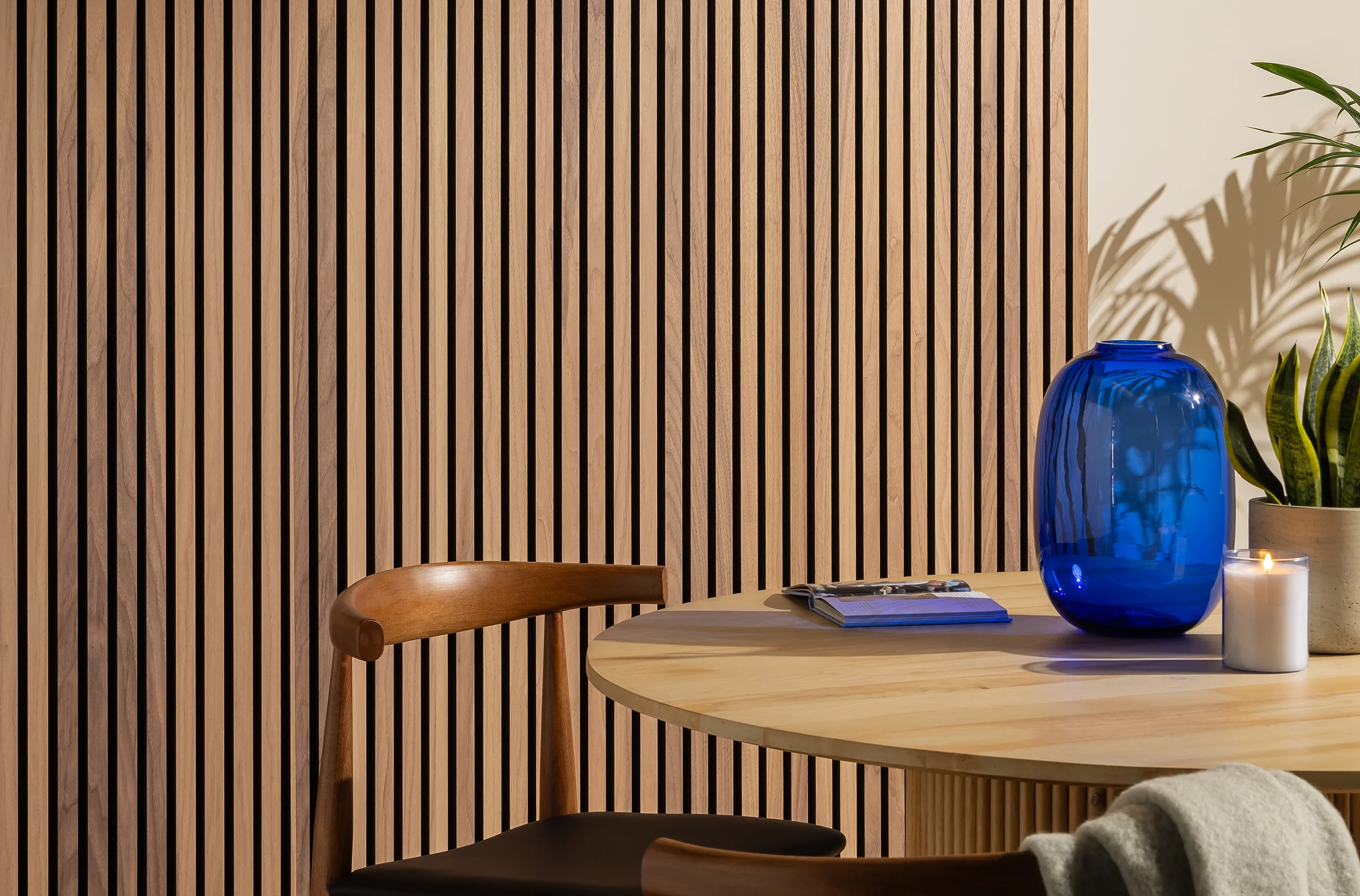
These combine slatted wood designs with a layer of sound-absorbing material. They are perfect for creating a warm, Scandinavian-style interior.
4. Foam Panels
Affordable and effective for home studios or gaming rooms. Not as stylish, but great for functional acoustics.
What to Consider Before Buying
A little planning can help you choose panels that truly suit your needs.
1. The Purpose of the Room
Do you want a more peaceful home? Better meeting quality? More privacy? Clarity for content creation? Your goal will guide the type and number of panels needed.
2. The Size of the Space
Smaller rooms might only need a few panels. Larger rooms or spaces with high ceilings usually need more coverage to notice a difference.
3. The Aesthetic You Want
Since panels are visible, consider how they fit into your décor. Neutral tones blend well. Bold colours can create feature walls.
4. Safety and Material Quality
Look for fire-rated materials, especially in offices or commercial settings. This is standard in the industry, but worth confirming.
5. Installation Constraints
Some panels can be mounted with removable strips, which are great for rental units. Heavier panels may require proper brackets.
How Many Panels Do You Actually Need?
A common mistake is buying too few. Even though you do not need to cover every wall, you still need enough surface area to absorb a meaningful portion of the sound.
A basic guideline:
- Small rooms: 3 to 6 panels
- Medium rooms: 6 to 12 panels
- Large rooms or offices: 12 or more
Placement matters just as much as quantity, so aim for first reflection points and the areas where sound feels the sharpest.
Final Thoughts
Upgrading your home or office with acoustic panels in Singapore is one of the simplest ways to improve comfort, clarity, and overall atmosphere. Whether you are trying to soften the echo in your living room or design a more peaceful workspace, the right panels can transform the feel of your environment without major construction.
Once you understand your room layout, acoustic needs, and aesthetic goals, choosing the right panels becomes much easier. If you want help selecting the correct type for a specific room, just tell me, and I will guide you through it.